About Dr. Nick
Marvin Nickleson Battle, Jr.
Professionally, I am known as Dr. Nick.
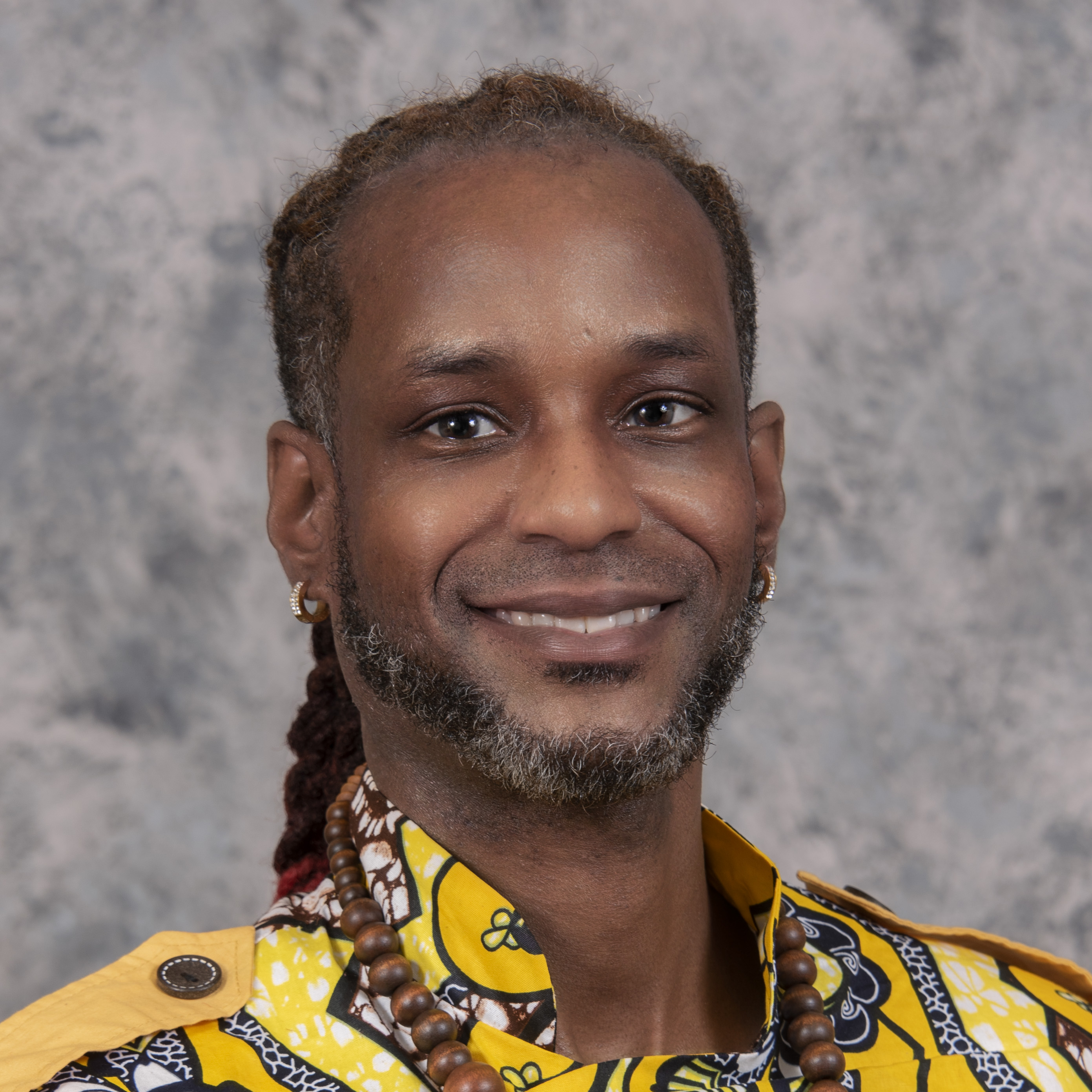
I am a counselor educator, author, researcher, executive leader, mental health advocate, and developer of the Culturally Aligned Masculinity Model (CAMM) and the Culturally Aligned Masculinity Assessment (CAMA).
My work centers men’s mental health, Black men’s mental health, masculinity, trauma, spirituality, multicultural counseling, leadership development, addiction recovery, behavioral health administration, and culturally responsive care.
I hold a Doctor of Education (Ed.D.) in Counseling Psychology. My dissertation, Men, Masculinity, and Therapy: Meeting the Treatment Needs of Men in Therapy, helped shape my ongoing commitment to understanding how men experience counseling, healing, identity, relationships, and emotional growth.
I currently serve as an Adjunct Professor at both Johns Hopkins University and Stevenson University. I am also Co-Founder and Chief Operating Officer of The Bridges Wellness Group, LLC, a behavioral health organization providing psychotherapy, assessment, consultation, supervision, and wellness-centered services.
Beyond my clinical, academic, and organizational work, I have served in leadership roles across professional and nonprofit organizations. I currently serve as President of the National Association of Black Counselors, where I work alongside colleagues committed to advancing culturally responsive counseling, advocacy, mentorship, leadership development, and community engagement. I previously served as Vice President and as a member of the Board of Directors for A Child For All. I am also a proud member of Iota Phi Theta Fraternity, Inc.
While my work often focuses on masculinity, culture, spirituality, mental health, addiction recovery, relationships, and human development, I have never seen these as separate topics.
Over time, I came to believe they are connected by a deeper idea.
“For much of my life, I focused on questions about who we are. Over the years, I became increasingly interested in how we are. Who we are often describes the roles we occupy. How we are reveals the way we show up in those roles.”
The many dimensions of my work
One purpose. Many ways of showing up.
My work moves between the classroom, the counseling space, writing, research, leadership, and community. Each informs the others.
Teaching & speaking
Bringing conversations about human development, mental health, and culture into classrooms and communities.
Explore speaking ↗ 02 / AuthorshipWriting & research
Exploring masculinity, connection, identity, faith, healing, and growth through scholarship and books.
Explore writing ↗ 03 / FrameworksCAMM & CAMA
Understanding masculinity through spirituality, self, relationships, and community.
Explore CAMM ↗Leadership & community
Serving through The Bridges Wellness Group, the National Association of Black Counselors, and Iota Phi Theta Fraternity, Inc.
Professional Background
The work has taken many forms.
Over the years, my work has taken many forms. I have taught graduate students, counseled individuals, couples, and families, conducted research, written books, presented at conferences, developed training programs, created reflective frameworks, led professional organizations, and worked alongside communities seeking growth, healing, and change.
My professional path includes counselor education, psychotherapy, behavioral health leadership, human resources leadership, nonprofit leadership, nonprofit board service, conference speaking, curriculum development, and professional advocacy.
I am licensed as a Clinical Professional Counselor in Maryland and as a Professional Counselor in Virginia and the District of Columbia. I am also certified as a Certified Clinical Trauma Professional, Certified Child and Adolescent Trauma Professional, Board Certified Tele-Mental Health Provider, MBTI Type I and Type II Certified Practitioner, and SafeTALK suicide prevention provider.
My commitment to service extends beyond counseling and education. Through my work with A Child For All, I had the opportunity to serve as both Vice President and a member of the Board of Directors. That experience reinforced my belief that meaningful change happens when leadership, service, advocacy, and community remain connected. It also strengthened my commitment to creating opportunities that support the growth and well-being of children, families, and communities.
These experiences have given me opportunities to learn from people across different backgrounds, cultures, professions, and life experiences. Yet the most important lessons that shaped this work did not come solely from classrooms, research studies, professional titles, or leadership positions.
Some of the most important lessons came through relationships.
A Lesson in Connection
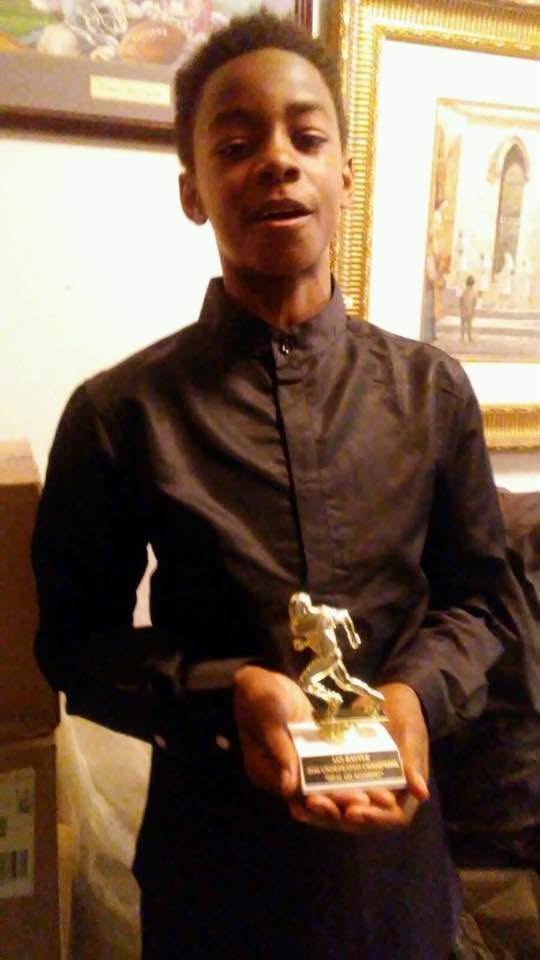
Some of my most important lessons came from a little boy named Ian.
Like many people, I once assumed that life's most important lessons would come from classrooms, books, research studies, professional training, or clinical work. Some of mine came from a little boy named Ian.
Years ago, before my nieces and nephews were born, I shared a dream with my mother. In that dream, one of my nephews asked to come live with me. Because of that dream, I made a promise to myself that if any of my nephews ever asked me for something that was within my power to give, I would do everything I could to make it happen.
One day, my nephew Ian asked if he could live with me. At the time, I had no idea how much that moment would change my life.
Ian was an affectionate and compassionate child. He enjoyed spending time with me, not because he wanted anything, but simply because he wanted to be present. Sometimes we talked. Sometimes we laughed. Sometimes we did nothing at all.
What made those moments meaningful was that they slowed me down. They taught me something I had not fully understood before: the importance of connection and, more importantly, what it means to love and to be loved.
As I reflected on those experiences, I began to recognize something that would eventually influence both my personal life and my professional work.
Many of us, especially Black men, have never consistently experienced that kind of connection. We have been taught how to achieve, compete, protect, provide, and survive, but we have not always been taught how to receive love, support, affection, vulnerability, and presence.
Those realizations led me to a different way of thinking.
The question was no longer simply who we are, but how we are.
What I Began to Notice
The lessons I learned from Ian changed the way I saw myself and the men around me.
As a Black man, I had spent much of my life in the company of other Black men through family, friendships, community, counseling, education, fraternity, advocacy, and professional work. The more I listened, the more I noticed patterns. I saw men who were resilient, hardworking, committed, and deeply invested in the people they loved. I also saw men carrying pain they rarely discussed.
Some struggled to ask for help. Others longed for connection but were unsure how to pursue it. Still others desired love but often felt uncomfortable receiving it. I became increasingly interested in understanding why so many men seemed disconnected, not only from others, but sometimes from themselves.
Over time, I became convinced that masculinity could not be understood apart from the contexts in which men live their lives.
From Questions to Research
What began as personal reflection eventually became a broader exploration of men's lives.
What began as personal reflection eventually became a broader exploration of men's lives, particularly the lives of Black men. That journey led me to the study of positive masculinity and eventually to my dissertation:
Men, Masculinity, and Therapy: Meeting the Treatment Needs of Men in Therapy.
Through that research, I began to see recurring themes emerge in the lives of the men I studied and worked alongside.
Over time, those observations expanded into research, presentations, trainings, and scholarship focused on men’s mental health, Black men’s mental health, trauma, identity development, spirituality, relationships, resilience, and culturally responsive counseling.
My work also led me into deeper explorations of spirituality and counseling.
Those interests eventually became Faith and Healing: Navigating Religion in Clinical Practice, followed by Faith and Healing: A Year of Gratitude, Happiness, Wellness, and Spiritual Awareness.
My work in addiction recovery reinforced many of the same lessons. Recovery is rarely only about substances. It is also about connection, relationships, purpose, family, community, mental health, healing, and belonging.
Those experiences eventually led to Grounded and Free: A Practical Guide to Recovery, Mental Health, and Building a Life You Can Stay In, co-authored with my business partner, Dr. Latonia Laffitte.
Writing, Teaching, and Professional Contributions
The work continues through scholarship, teaching, writing, and advocacy.
My written work includes books on masculinity, recovery, spirituality, counseling, and personal growth, including Ain’t I a Man Too? Black Men, Identity, and the Myths of Masculinity, Grounded and Free, and the Faith and Healing series.
I have also contributed to The SAGE Encyclopedia of Multicultural Counseling, Social Justice, and Advocacy, where I authored the entry on bisexuality, and I have written professional articles addressing male victims of intimate partner violence, cultural awareness, and cultural competency in counseling.
As a presenter and trainer, I have spoken on topics including Black men and masculinity, trauma in the African American population, transgender advocacy, homelessness and LGBTQ+ clients, cultural responsiveness, testing anxiety, women of color and hypersexualization, and effective approaches to working with men in therapy.
Across these roles, I remain committed to advancing equitable mental health care, counselor education, professional advocacy, and community wellness.
From Research to CAMM and CAMA
People do not develop in isolation.
As I looked across my experiences as a counselor, researcher, educator, author, executive leader, and Black man, I began to recognize a common thread.
People do not develop in isolation. Culture, relationships, community, and spirituality all matter. The ways we understand ourselves and engage with the world are shaped by all of these influences.
Four dimensions consistently emerged: spirituality, self, relationships, and community. Those dimensions would eventually become the foundation of the Culturally Aligned Masculinity Model (CAMM).
Later, CAMA was developed from CAMM as a reflective assessment designed to help men better understand how these dimensions influence their lives, relationships, wellness, identity, cultural experiences, and communities.
Those ideas ultimately came together in Ain't I A Man Too? Black Men, Identity and the Myths of Masculinity.
Continuing the Conversation
Today, my work continues.
Today, my work continues through counseling, education, research, writing, speaking, leadership, behavioral health administration, advocacy, nonprofit service, and community engagement.
Whether I am working with students, clinicians, organizations, families, communities, or individuals, my goal remains the same: to create space for meaningful conversations, encourage reflection, deepen understanding, strengthen connection, and support growth and healing.
Thank you for visiting. I invite you to explore the books, research, CAMM, CAMA, and the ongoing conversations that continue to shape this work.
Explore My Writing Explore the Work