The Work

Culturally Aligned Masculinity

A framework, assessment, and evolving body of work focused on masculinity, identity, culture, spirituality, relationships, community, and how men show up in the world.

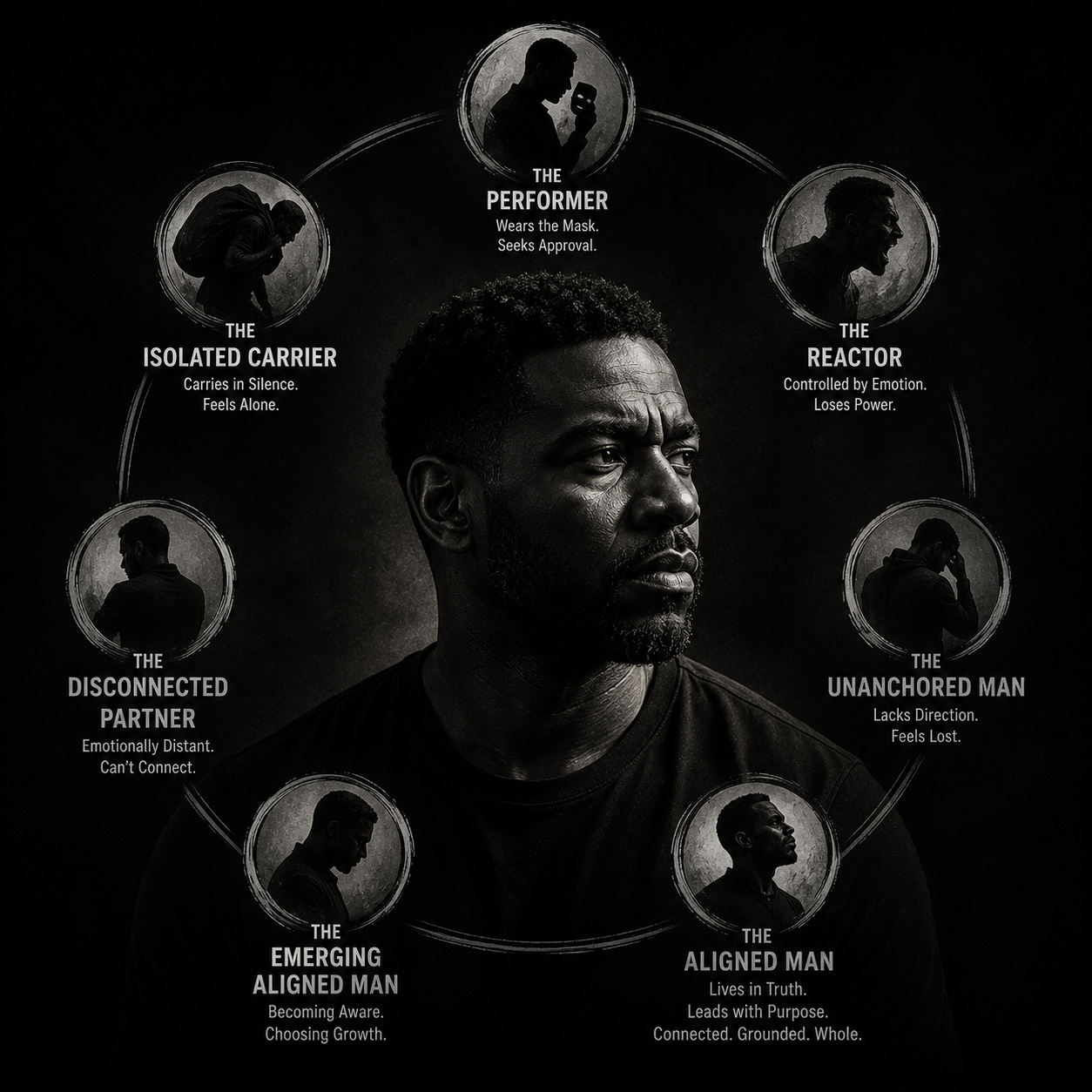
CAMA archetype wheel

The Model

The Culturally Aligned Masculinity Model

The Culturally Aligned Masculinity Model was not created in theory alone. It was developed through lived experience, clinical practice, academic research, cultural observation, spiritual exploration, and years of working directly with men navigating identity, trauma, emotional suppression, relationships, race, masculinity, and survival.

As a Black man, clinician, educator, and researcher, I recognized that many existing conversations surrounding masculinity, especially Black masculinity, were incomplete, pathologizing, or disconnected from the lived realities of Black men.

Much of the research and public discourse surrounding men, particularly Black men, has historically centered on pathology, including violence, aggression, emotional unavailability, incarceration, hypersexuality, absent fatherhood, substance use, and criminality.

Very little space was created for emotional survival, cultural adaptation, joy, emotional intelligence, vulnerability, spirituality, healing, identity, emotional exhaustion, community, and purpose.

The framework was developed to address that gap. It helps us understand that many behaviors men develop are not random character flaws. They are often adaptive responses to cultural expectations, racialized experiences, emotional survival, and societal pressure.

The framework does not attempt to shame masculinity. It attempts to understand it.
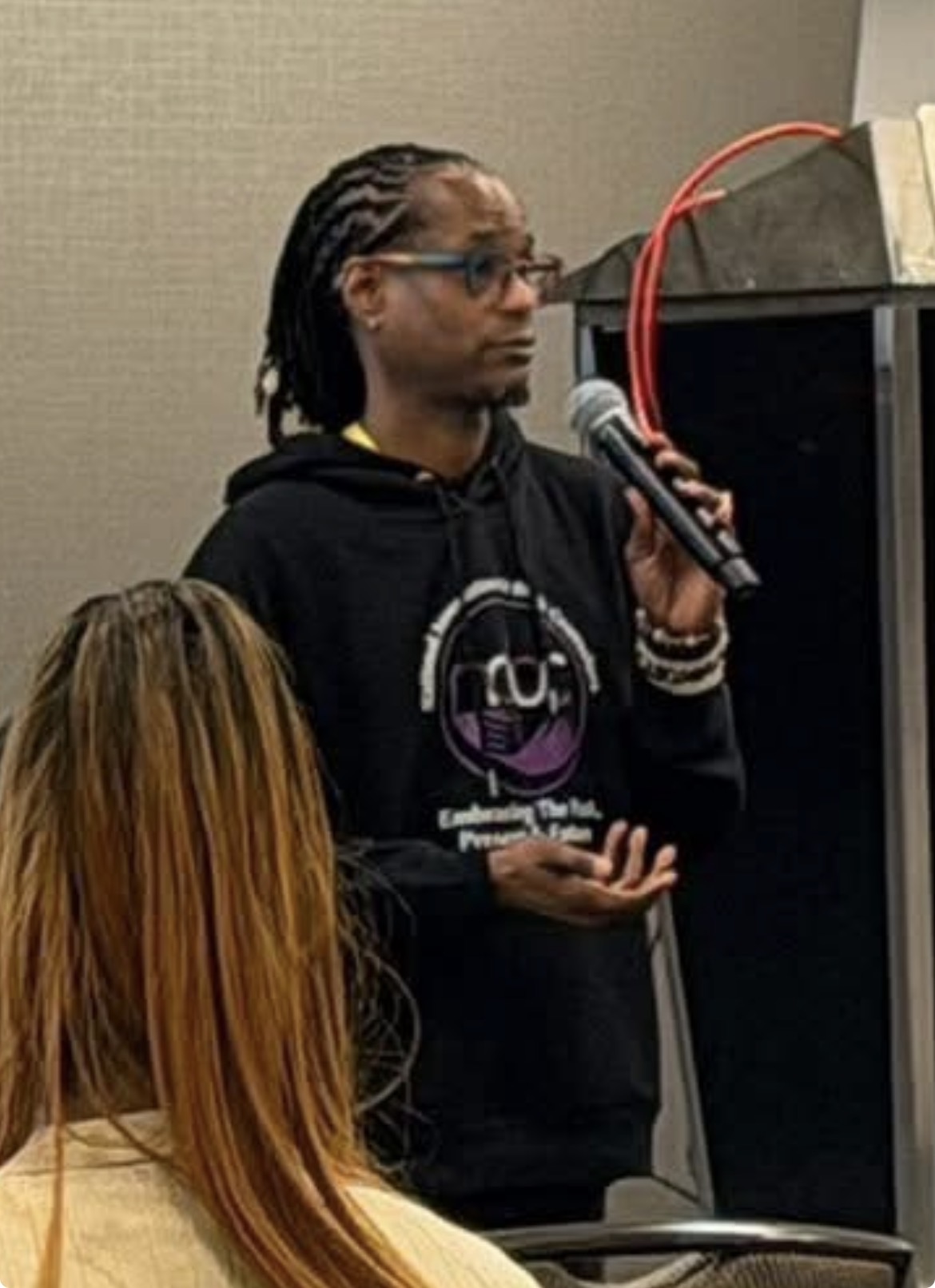
Dr. Nick speaking with a microphone during a professional presentation

Masculinity Through the Lens of Black Men

Black masculinity cannot be fully understood through Eurocentric definitions of manhood.

Dominant American ideas of masculinity are often rooted in dominance, competition, emotional restraint, conquest, physical strength, financial status, patriarchy, independence, and emotional detachment.

For many Black men, masculinity has historically been shaped by different realities, including racism, systemic oppression, generational trauma, economic barriers, survival, community responsibility, spiritual grounding, family systems, hypervisibility, criminalization, and emotional policing.

Research explored in The Little Black Boy and the Big Black Man presentation identified that Black men often define masculinity through maturity, responsibility, self-awareness, spirituality, family, protection, resilience, community, and emotional endurance rather than solely through aggression or dominance.

At the same time, Black men are often expected to navigate dominant masculine ideals rooted in White heterosexual patriarchal standards while surviving systems that historically denied them access to those same standards.

This creates tension.

We are often taught to be strong but not angry, confident but not threatening, assertive but not aggressive, emotional but not weak, successful but not too Black, and vulnerable but not soft.

Many men grow up learning that emotional expression is dangerous long before they ever learn emotional awareness.

Masculinity as Survival

What appears unhealthy is sometimes survival before it becomes limitation.

One of the major themes that emerged throughout my research was the understanding that many behaviors labeled as toxic masculinity are often survival adaptations before they become maladaptive behaviors.

Many Black men learn early not to cry publicly, not to appear weak, not to show fear, not to ask for help, not to trust systems, not to emotionally collapse, not to appear vulnerable, and not to emotionally burden others.

What society often labels as emotional detachment may actually be emotional protection.

What appears as hyper-independence may actually be learned survival.

What appears as emotional shutdown may actually be emotional exhaustion.

The framework shifts the conversation from, "What is wrong with men?" to, "What happened to men?" More specifically, "What happened to Black men emotionally, culturally, spiritually, and psychologically?"

This distinction matters because men heal differently when they are understood instead of judged.

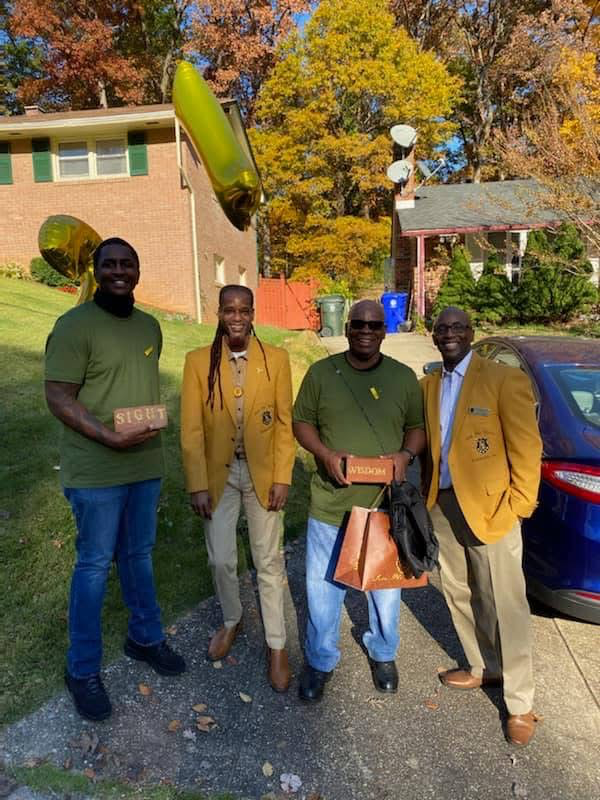
Dr. Nick presenting on Black Boy Joy

Positive Masculinity

Positive Masculinity and Reclaiming Manhood

One of the most important influences in the development of the framework was research surrounding positive masculinity and strength-based approaches to working with men.

The framework intentionally moves away from approaches that reduce masculinity to dysfunction, domination, emotional suppression, or pathology.

Instead, it explores how masculine traits, when grounded intentionally, can become sources of resilience, emotional growth, leadership, accountability, healing, and community impact.

Positive masculinity does not ignore unhealthy behaviors. It expands the conversation.

The goal is not to make men less masculine. The goal is to help men become more conscious, emotionally grounded, culturally aware, connected, and intentional within their masculinity.

The Four Dimensions

The Development of the Four Dimensions

As the research, presentations, clinical work, and cultural observations evolved, four recurring dimensions consistently emerged.

These dimensions became the foundation of the framework because they reflected the areas where Black men most commonly experienced both strength and struggle.

Self-Awareness

Black men are often taught emotional control before emotional understanding. As a result, emotions may be expressed behaviorally rather than verbally.

This dimension examines emotional literacy, emotional regulation, identity awareness, internal dialogue, emotional accountability, trauma awareness, and emotional authenticity.

Relationships

Black men often learn how to provide before learning how to emotionally connect. Love may be expressed through sacrifice, protection, providing, problem-solving, presence, and responsibility.

This dimension explores vulnerability, communication, intimacy, attachment, emotional trust, emotional safety, and emotional consistency.

Community

One of the most damaging experiences for many men is emotional isolation. Many men have friendships built around humor, sports, work, entertainment, and surface-level interaction while lacking spaces for emotional honesty.

This dimension explores brotherhood, emotional support, accountability, collective healing, mentorship, intergenerational connection, and safe emotional spaces.

Spirituality

Many Black men struggle to separate identity from performance. Men may only feel valuable when producing, providing, fixing, leading, sacrificing, or surviving.

This dimension explores purpose, identity, grounding, values, meaning, legacy, internal peace, and emotional alignment.

Culturally Aligned Masculinity Assessment logo

The Assessment

The Culturally Aligned Masculinity Assessment

The Culturally Aligned Masculinity Assessment was developed to help men examine how masculinity is currently showing up across emotional awareness, relationships, connection, grounding, identity, and intentionality.

CAMA emerged from years of research, clinical work, cultural analysis, presentations, and direct conversations surrounding masculinity, emotional survival, identity, relationships, spirituality, and the lived experiences of Black men.

The assessment is not designed to diagnose, shame, or reduce men to stereotypes.

It is designed to create awareness.

Because awareness creates the opportunity for intentional growth.

Take CAMA

The Archetypes

Development of the Masculinity Archetypes

The archetypes within the Culturally Aligned Masculinity Framework were developed through the intersection of clinical work, cultural analysis, research, presentations, conversations surrounding Black masculinity, emotional development, identity formation, spirituality, and the lived experiences of men navigating survival, pressure, relationships, and emotional restriction.

The archetypes are not personality types in the traditional sense. They are not intended to function as rigid labels.

They were developed as interpretive patterns designed to help men recognize how masculinity may currently be operating emotionally, relationally, spiritually, and psychologically.

The purpose of the archetypes is not to shame men or portray masculinity as inherently unhealthy. The purpose is to create language for understanding masculine patterns in ways that are emotionally honest, culturally grounded, psychologically informed, and growth-oriented.

The framework recognizes that masculinity itself is not the problem.

Disconnection is.

Archetypes Explained

Seven Reflective Patterns

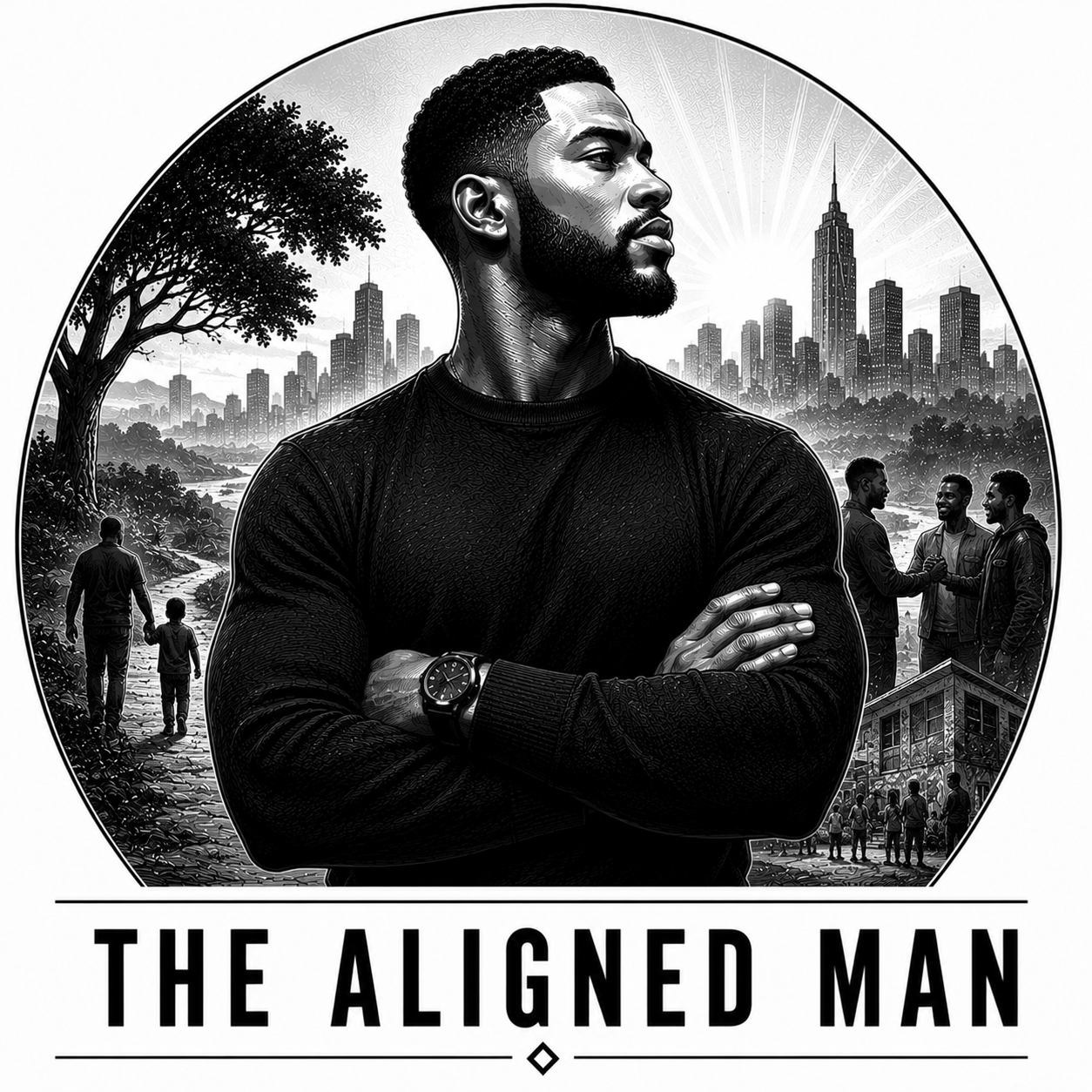
The Aligned Man archetype image

The Aligned Man

The Aligned Man reflects masculinity grounded in emotional awareness, intentionality, accountability, spirituality, connection, and internal stability.

This archetype represents movement beyond survival-based masculinity toward conscious and grounded masculinity.

Read Full Explanation
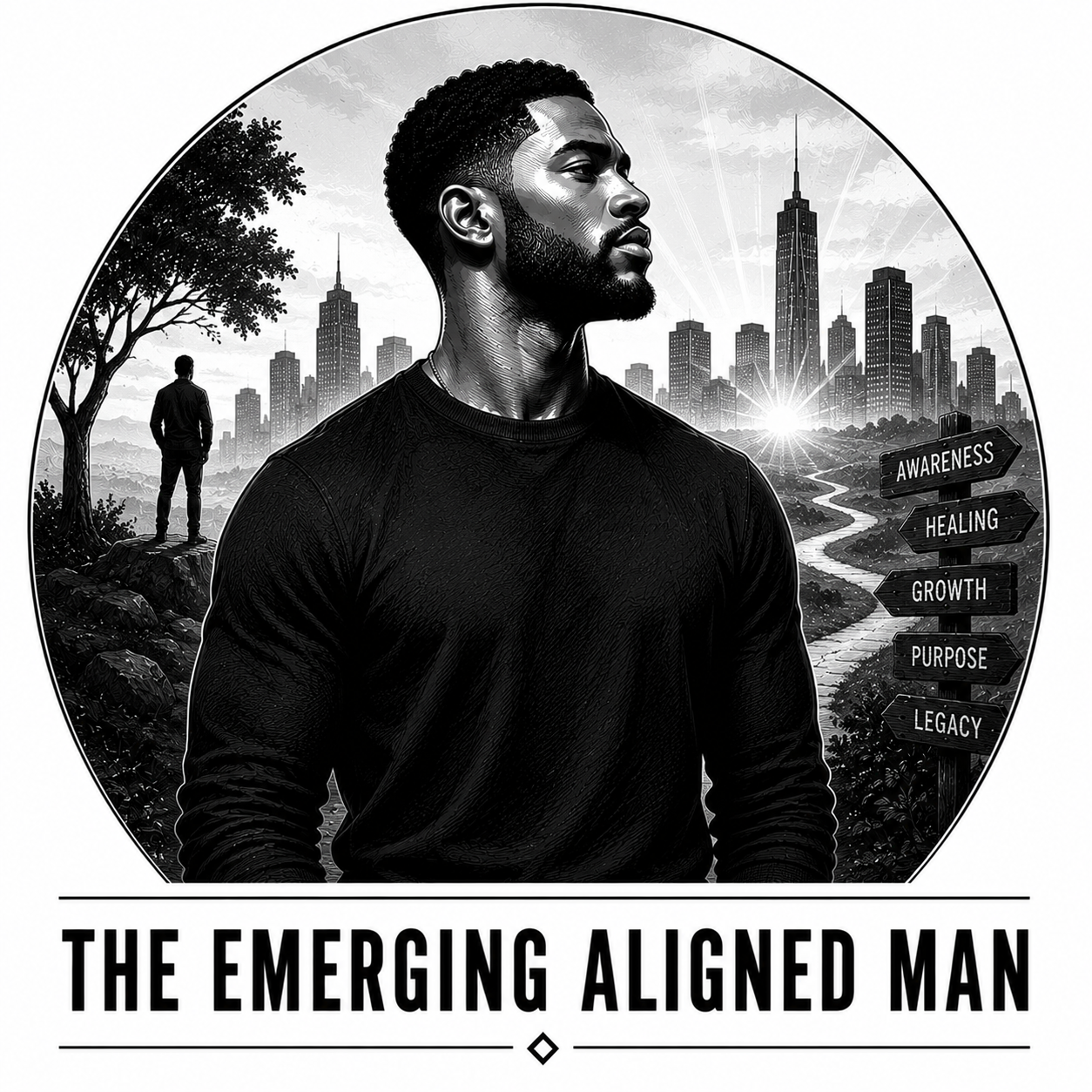
The Emerging Aligned Man archetype image

The Emerging Aligned Man

The Emerging Aligned Man reflects transition, growth, and increasing awareness.

This archetype represents masculinity actively moving away from inherited survival-based patterns toward intentionality, emotional awareness, grounded identity, accountability, and connection.

Read Full Explanation
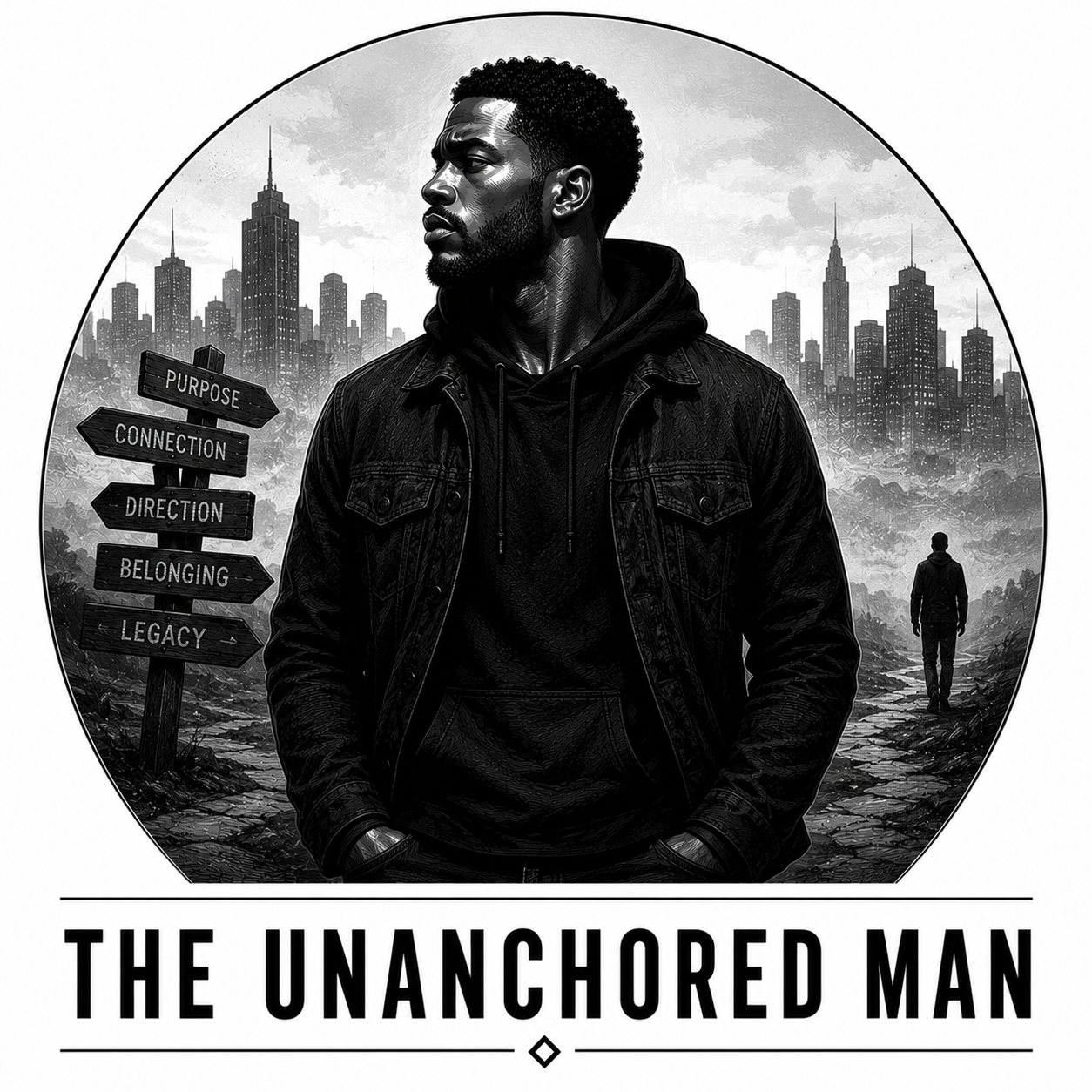
The Unanchored Man archetype image

The Unanchored Man

The Unanchored Man reflects masculinity shaped heavily through external expectation, unstable identity development, emotional disconnection, survival adaptation, or unclear self-definition.

Read Full Explanation
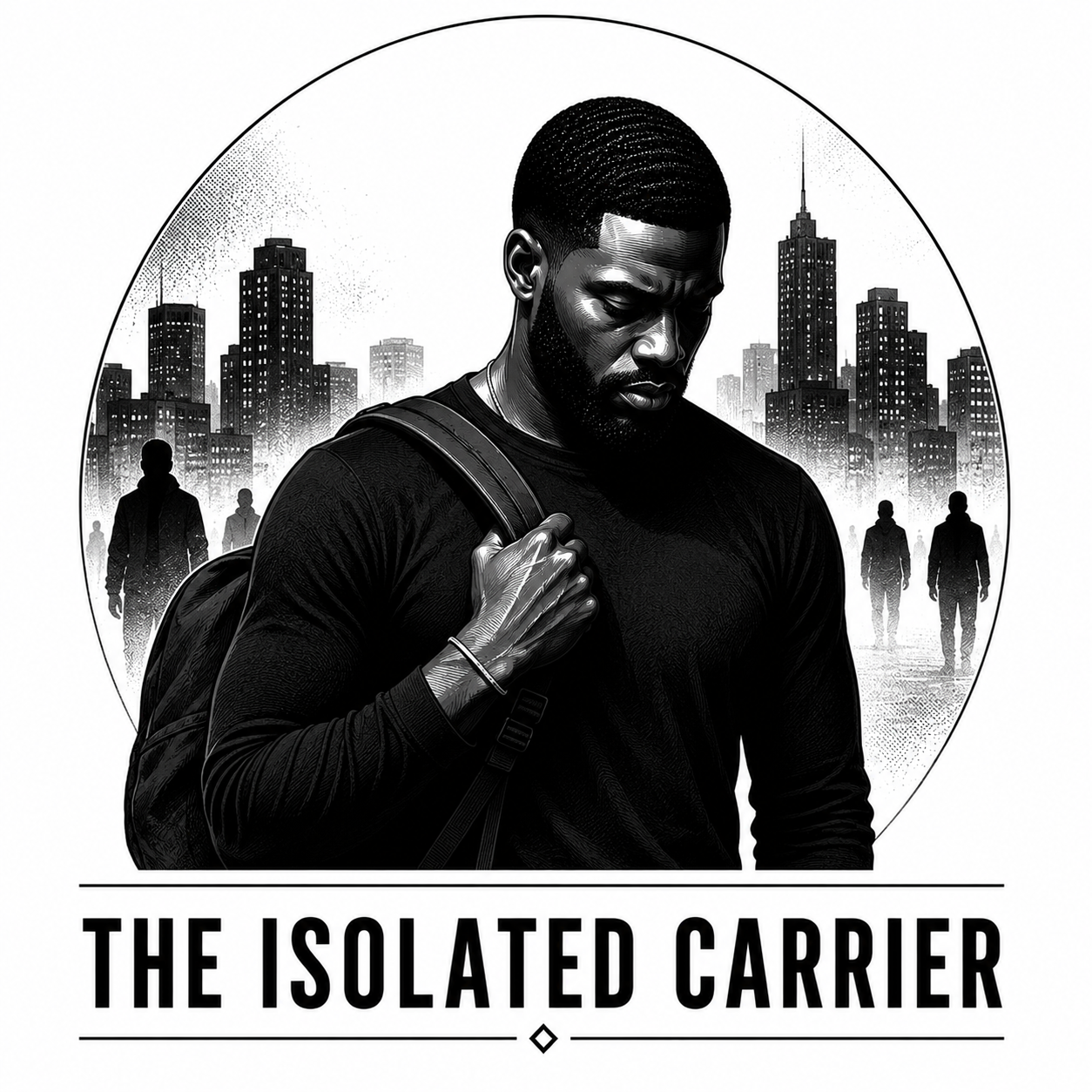
The Isolated Carrier archetype image

The Isolated Carrier

The Isolated Carrier reflects masculinity shaped through emotional self-containment, hyper-independence, silent endurance, and internalized pressure.

Read Full Explanation
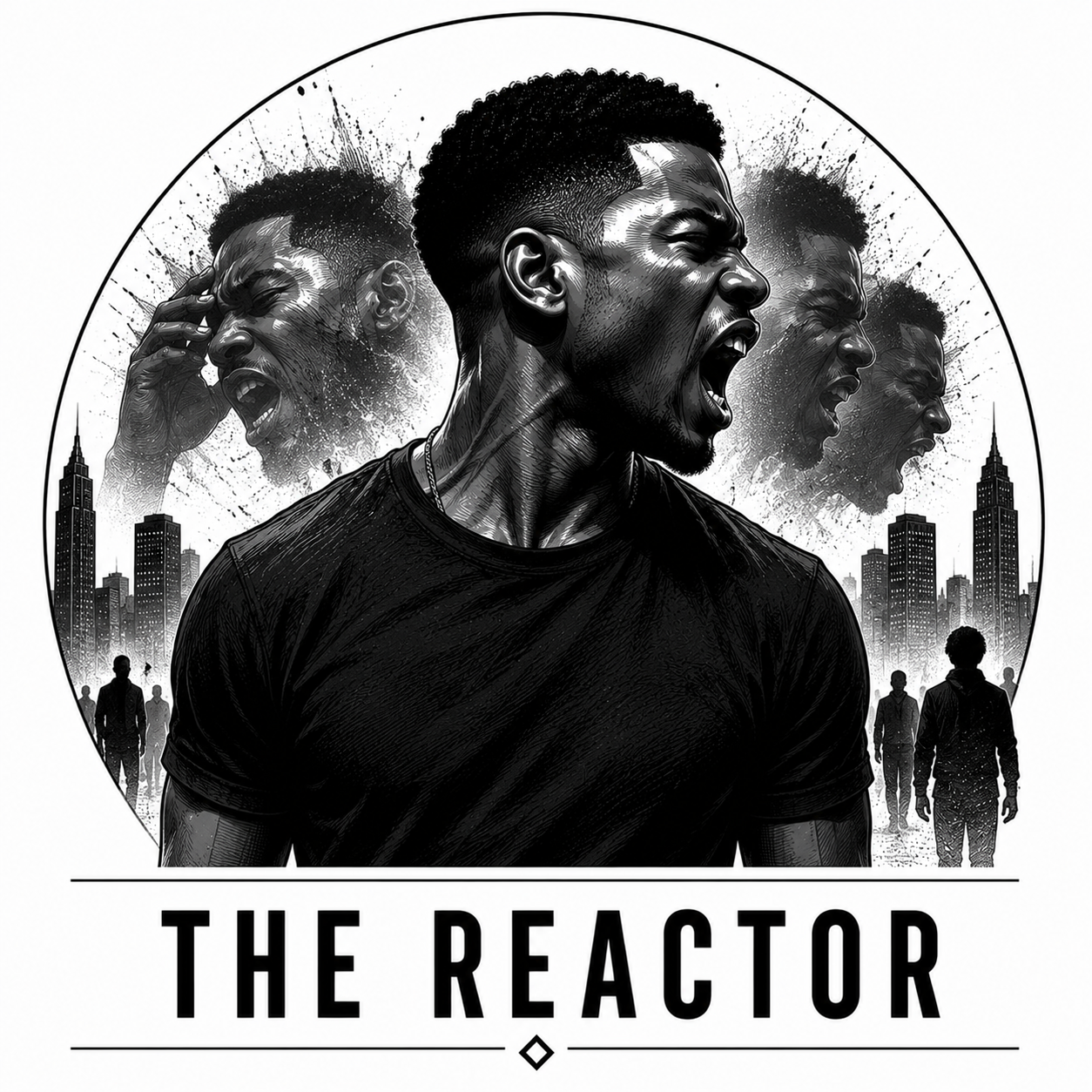
The Reactor archetype image

The Reactor

The Reactor reflects masculinity where emotions frequently emerge behaviorally before they are fully processed internally.

Read Full Explanation
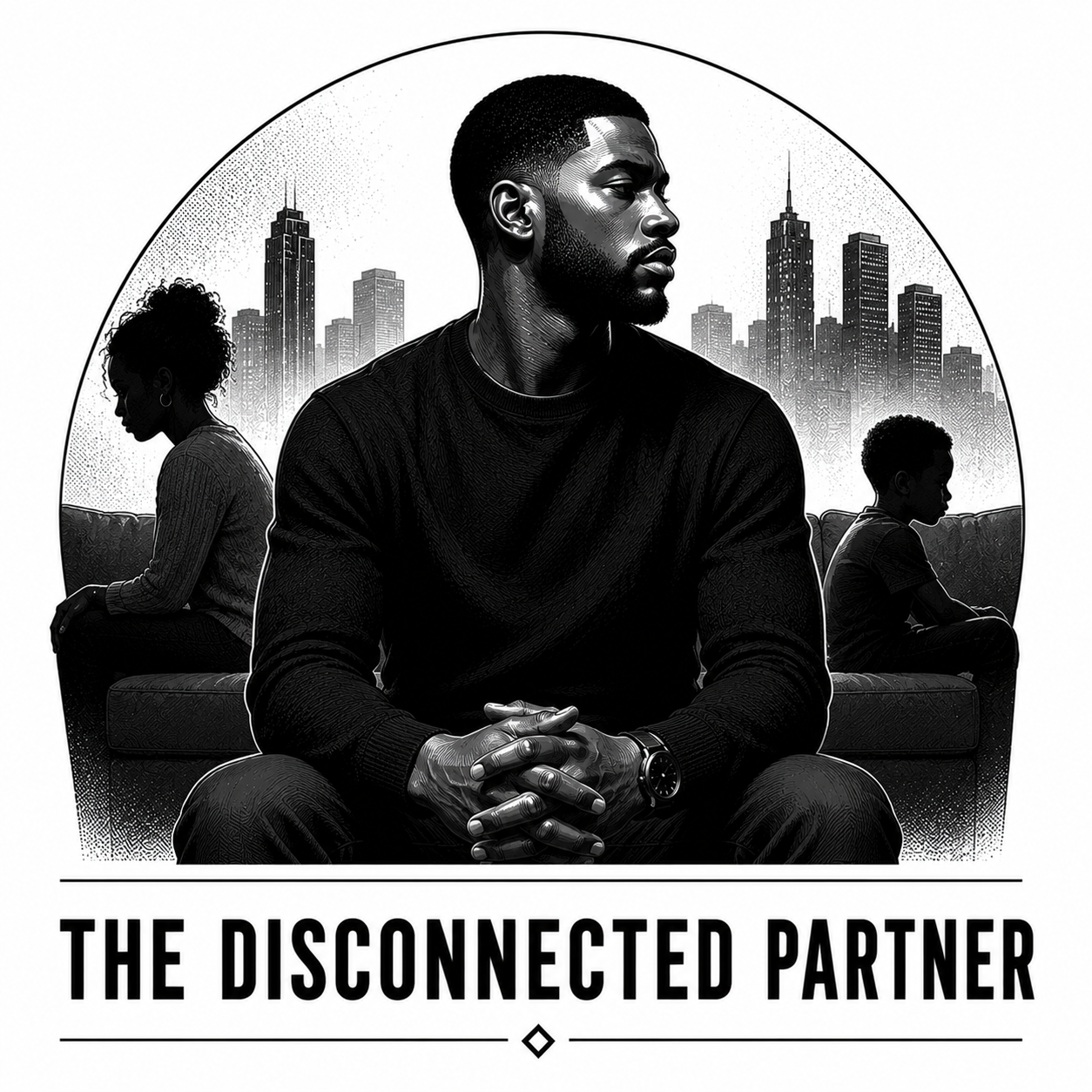
The Disconnected Partner archetype image

The Disconnected Partner

The Disconnected Partner reflects masculinity that remains physically, financially, or functionally present while struggling with emotional intimacy, vulnerability, emotional communication, and emotional consistency.

Read Full Explanation
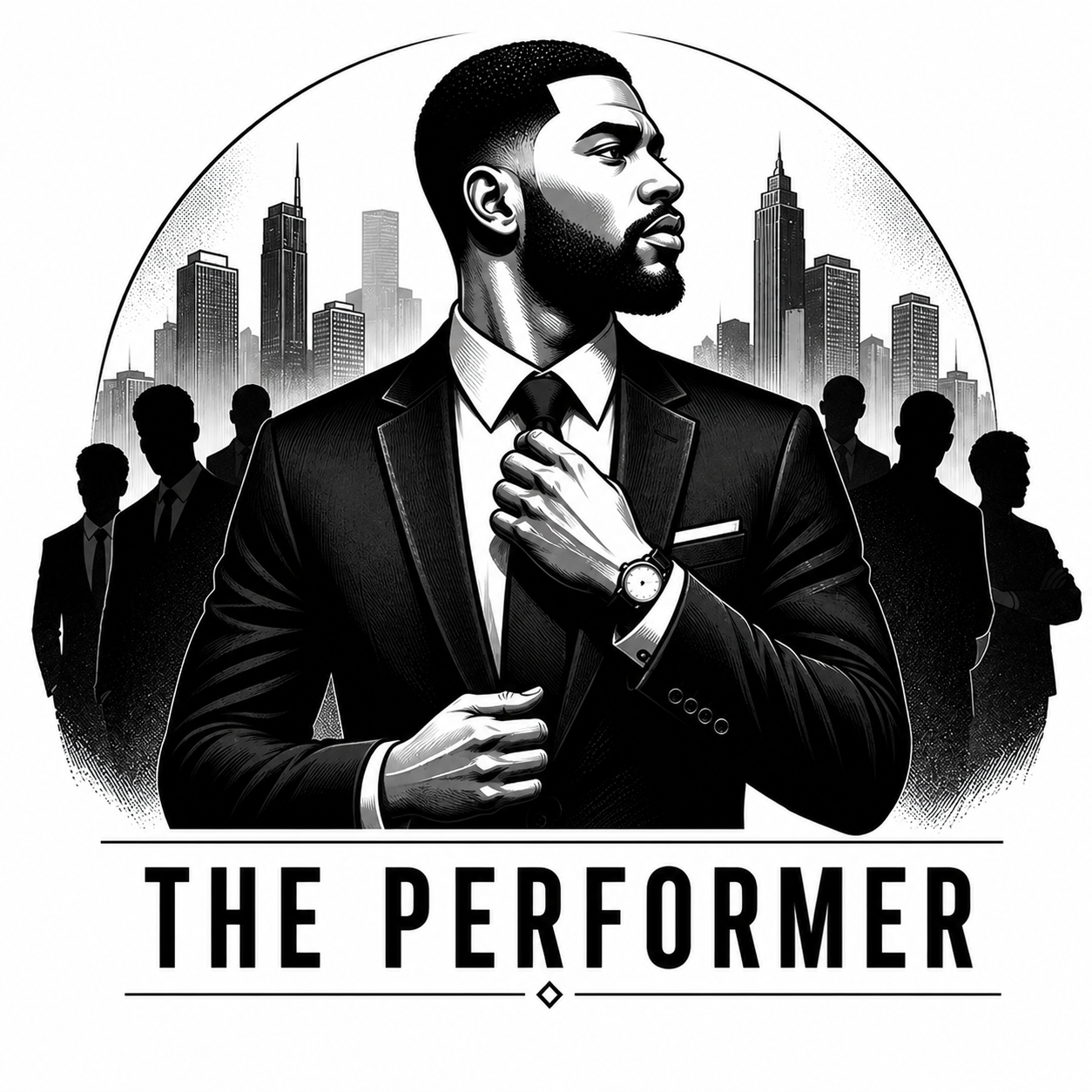
The Performer archetype image

The Performer

The Performer reflects masculinity strongly tied to composure, achievement, productivity, responsibility, emotional control, image, success, and external validation.

Read Full Explanation